Torque Tools
Torque wrenches, screwdrivers and drivers — accuracy, calibration and value, checked against spec.
- 12 reviews
- 7 guides
- 64 picks compared
- No paid placements

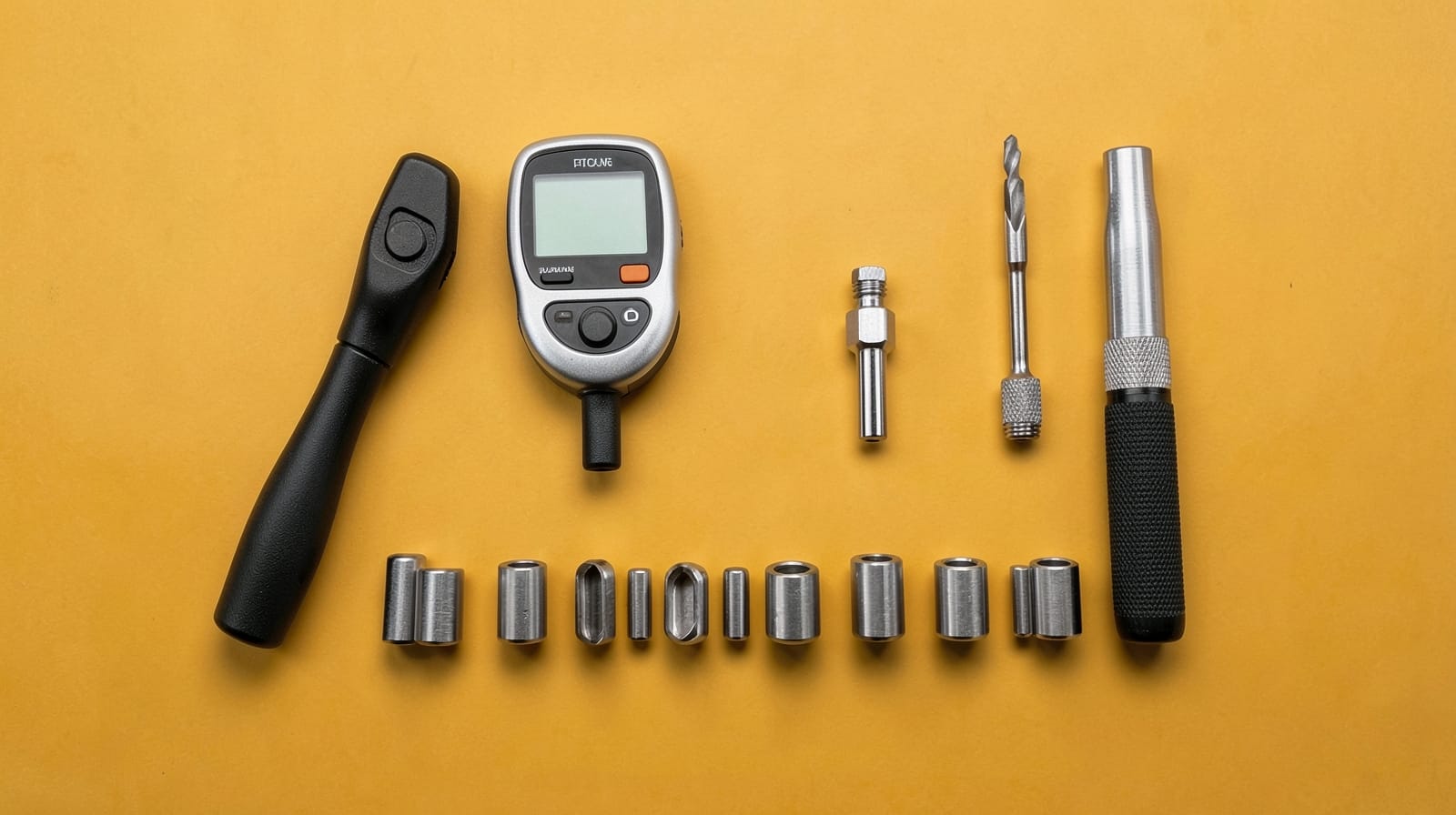
Our top pick for every job
Each review compares picks for one kind of work. The card shows its top pick; open it for the full comparison.
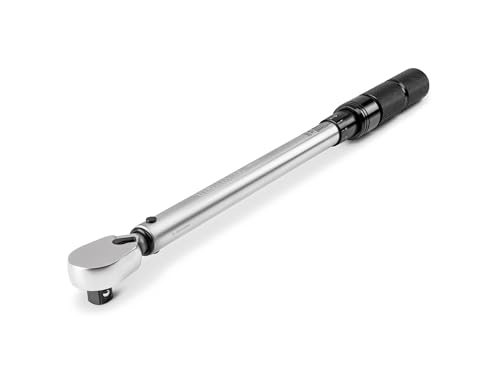


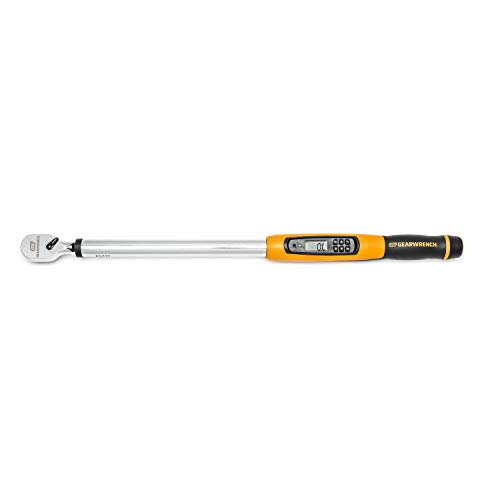

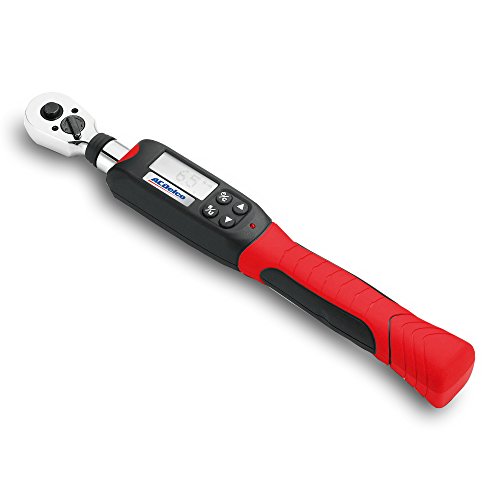


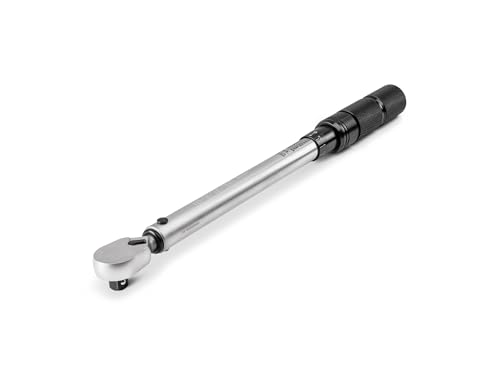


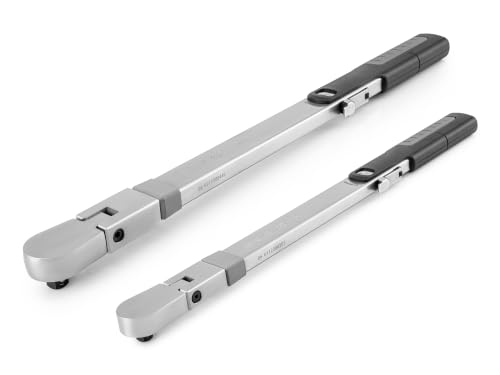


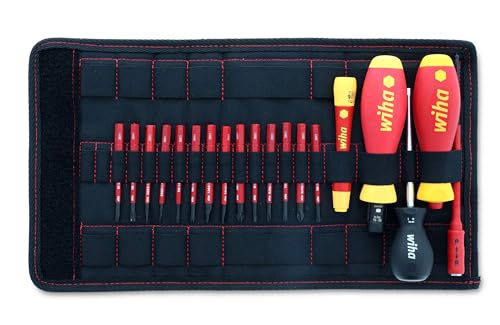
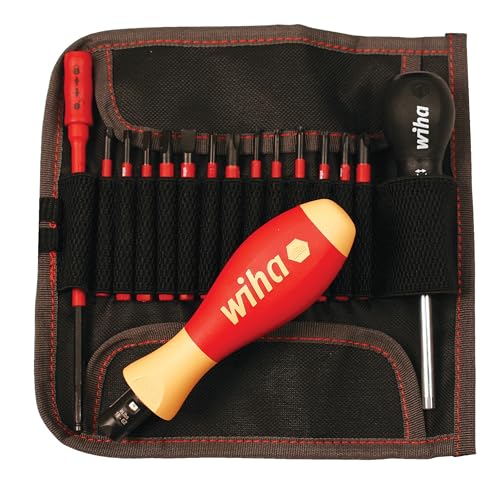


Learn the method
Step-by-step guides and tools that explain the technique behind the picks.
 Guide
 Guide
 Calculator
 Guide
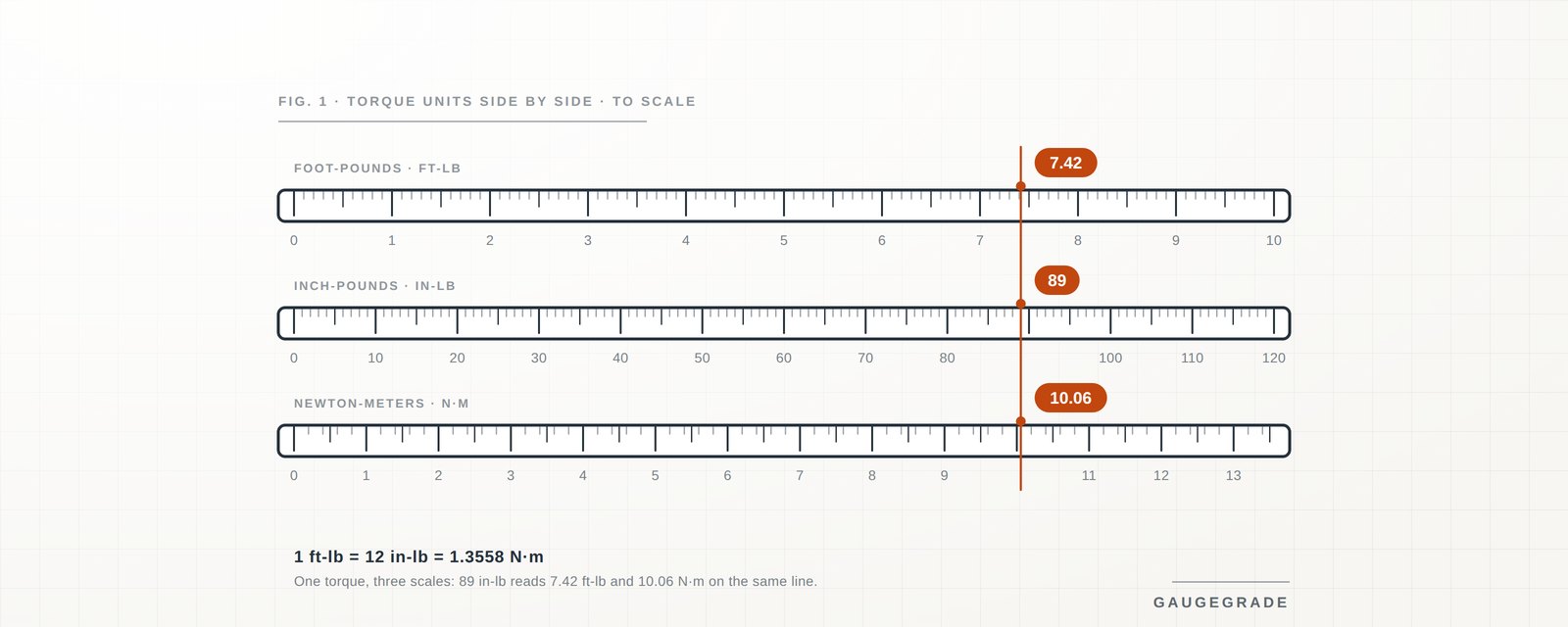 Converter
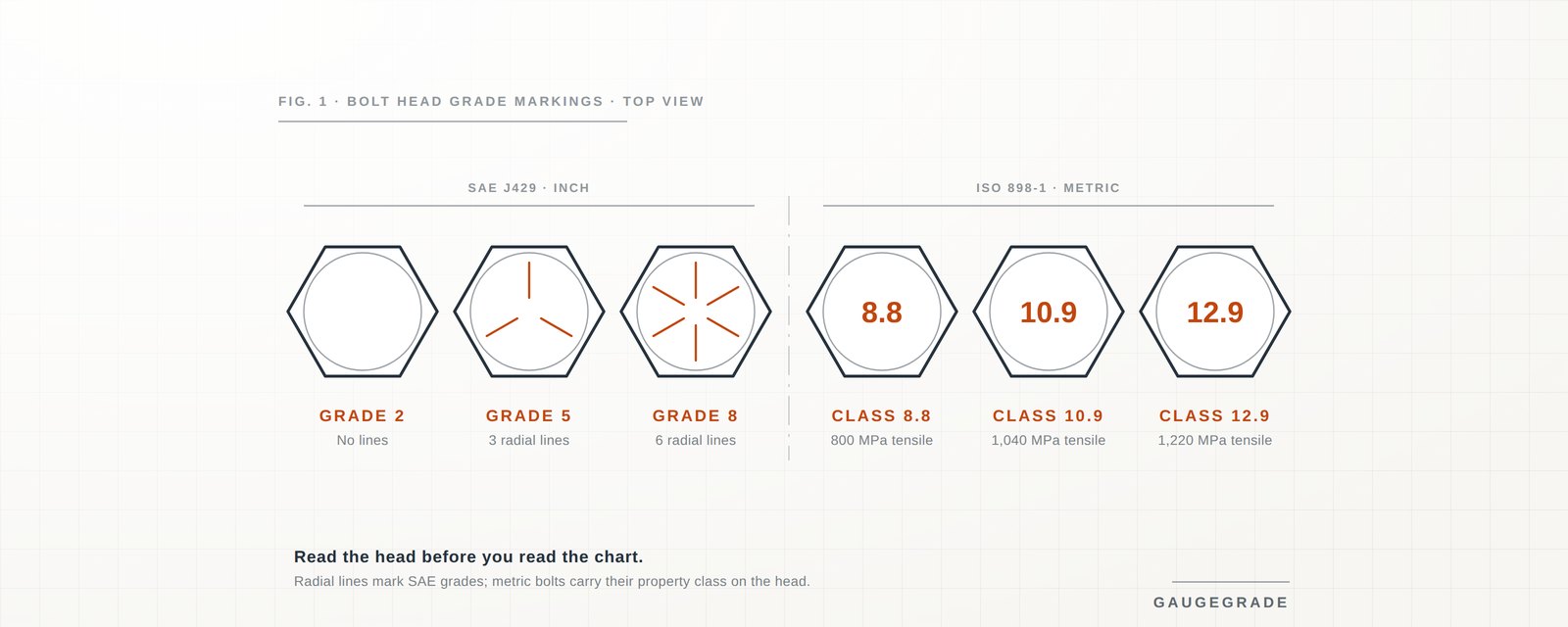 Chart
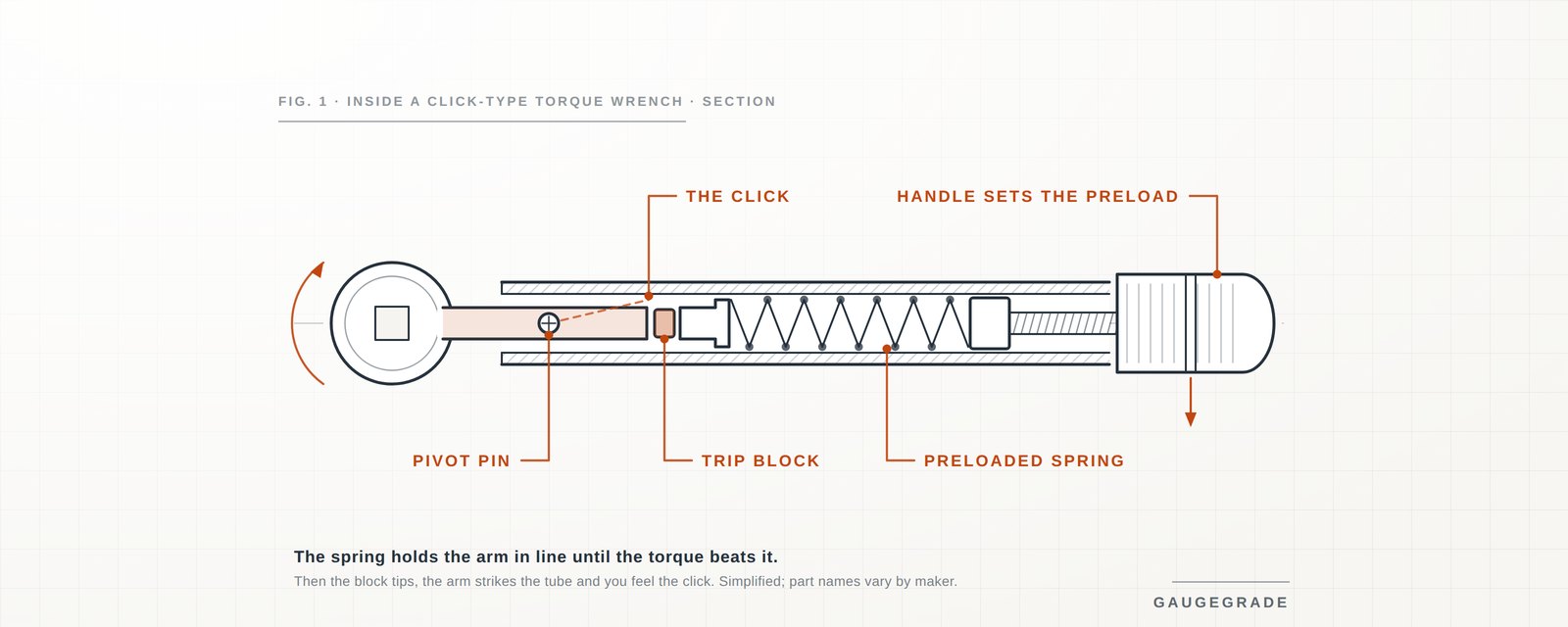 Guide
How to choose a torque tool
Torque tools exist to take the guesswork out of a fastener: tighten to a specified value, not to feel. Under-torque and a bolt works loose; over-torque and you stretch it, strip threads or snap the head. These pages cover torque wrenches, torque screwdrivers and drivers, judged on accuracy, control and real-world value.
A torque tool is only useful if it is accurate and stays that way. Two things decide a good one: how tightly it holds its rated accuracy, and whether its range actually centers on the fasteners you work on.
- 01
Match the range to your fasteners
A tool is most accurate across the middle of its range and least accurate at the extremes. Lug nuts in foot-pounds and a scope ring in inch-pounds need different tools — do not buy one wrench and hope it covers both ends.
- 02
Look for a stated accuracy
A good tool states its tolerance, typically around ±3–4% of reading clockwise. A clicker with no published accuracy is guessing, and you have no way to check it.
- 03
Click or digital
A mechanical click wrench needs no batteries and gives a clear tactile break. A digital tool adds a readout, an angle mode and a beep, and helps most at low inch-pound values where a click is hard to feel. Both are valid — pick for the work.
- 04
Drive size
1/4" for small and inch-pound work, 3/8" as a general size, 1/2" for lug nuts and suspension. The drive should suit the sockets you already run.
- 05
Look after it
Store a click wrench dialled back to the low end of its range to relieve the spring, have it recalibrated periodically if the work matters, and treat any dropped tool as suspect until it is checked — the same discipline used on the flight line. The aviation and fastening tools that keep a torqued fastener from backing out come out of the same practice.
How every pick here is made
- 01
Specs checked at the source
Every figure is checked against the maker's own data and manual, and against the current listing.
- 02
A pick for every job
Each recommendation is tied to a real use case, not a generic 'best overall' for everyone.
- 03
Outside findings, linked
Published hands-on tests and owner reports are credited and linked. We never invent them.
- 04
No paid placements
Commissions never decide a ranking, and no brand pays to be listed.

- Aeronautics diploma
- Engineering degree
- BAMEC (DGCA)
- QC-trained
- ~2 yrs tool management
SK spent over two decades in aircraft maintenance, working hands-on with aero-engine systems and flight data recorder systems, borescope-inspecting turbine and compressor blades, and spending almost two years in a dedicated tool bay. He holds a diploma in mechanical engineering (aeronautics), an associate degree in science, an engineering degree and a Basic Aircraft Maintenance Engineer's Certificate (BAMEC) from DGCA, and has completed quality-control and aviation fuels & lubricants training. GaugeGrade applies the same inspection, torque and tool-management standards to the tools everyday mechanics, DIYers and trades actually buy.