Aviation & Fastening
Safety-wire pliers, Cleco fasteners and torque seal — the flight-line fastening gear we know first-hand.
- 3 reviews
- 3 guides
- 12 picks compared
- No paid placements
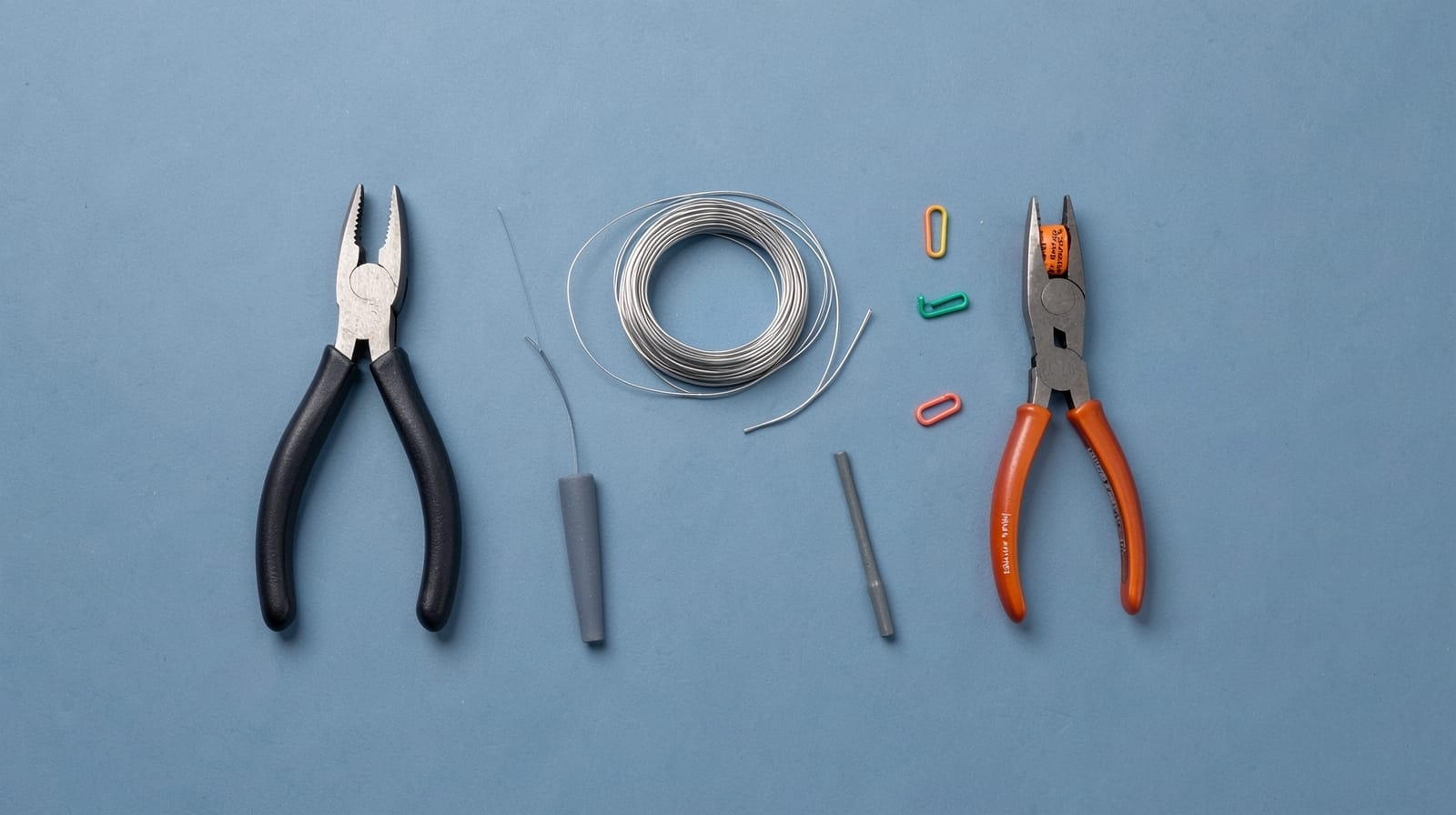
Our top pick for every job
Each review compares picks for one kind of work. The card shows its top pick; open it for the full comparison.



Learn the method
Step-by-step guides and tools that explain the technique behind the picks.
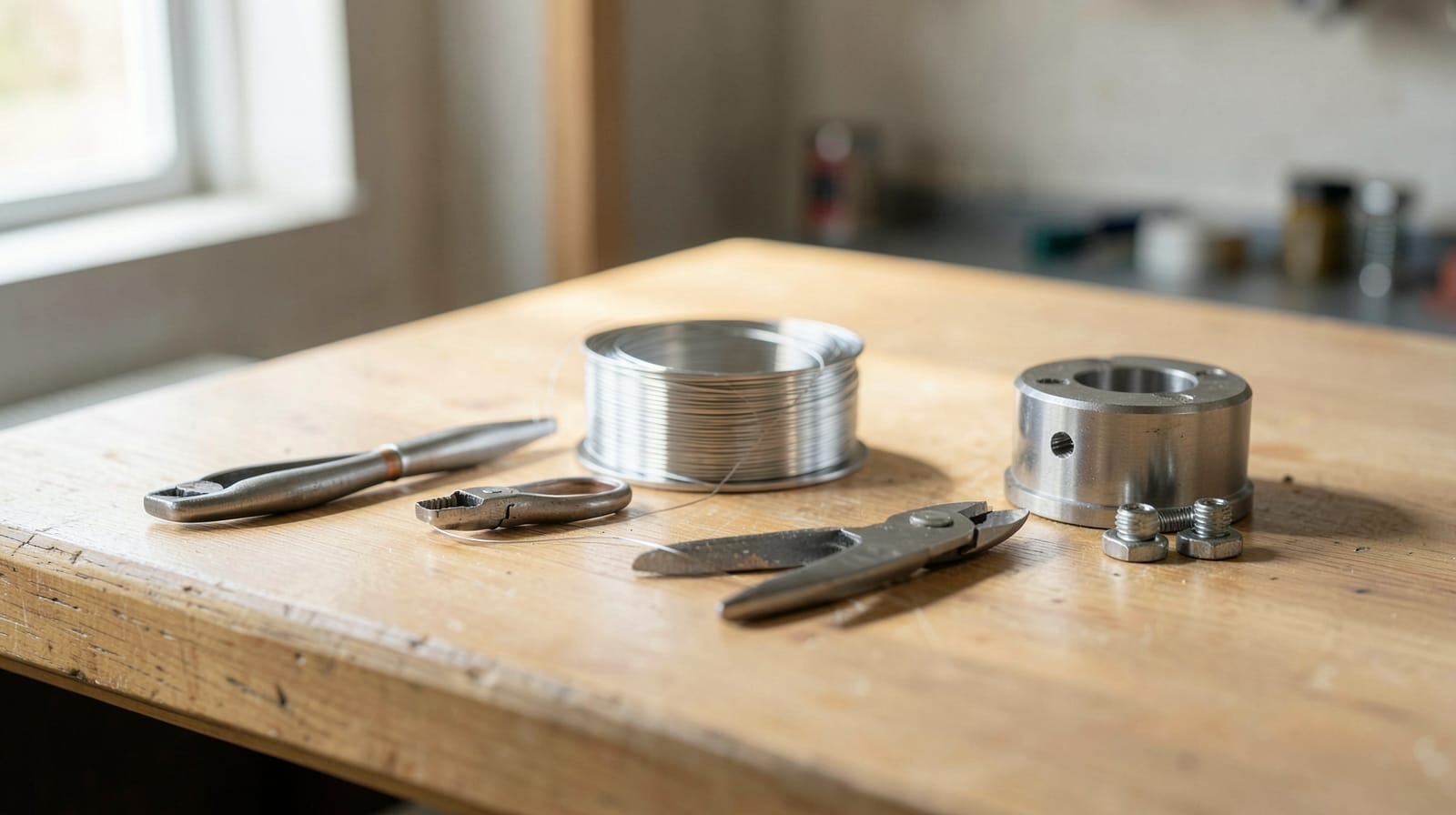 Guide
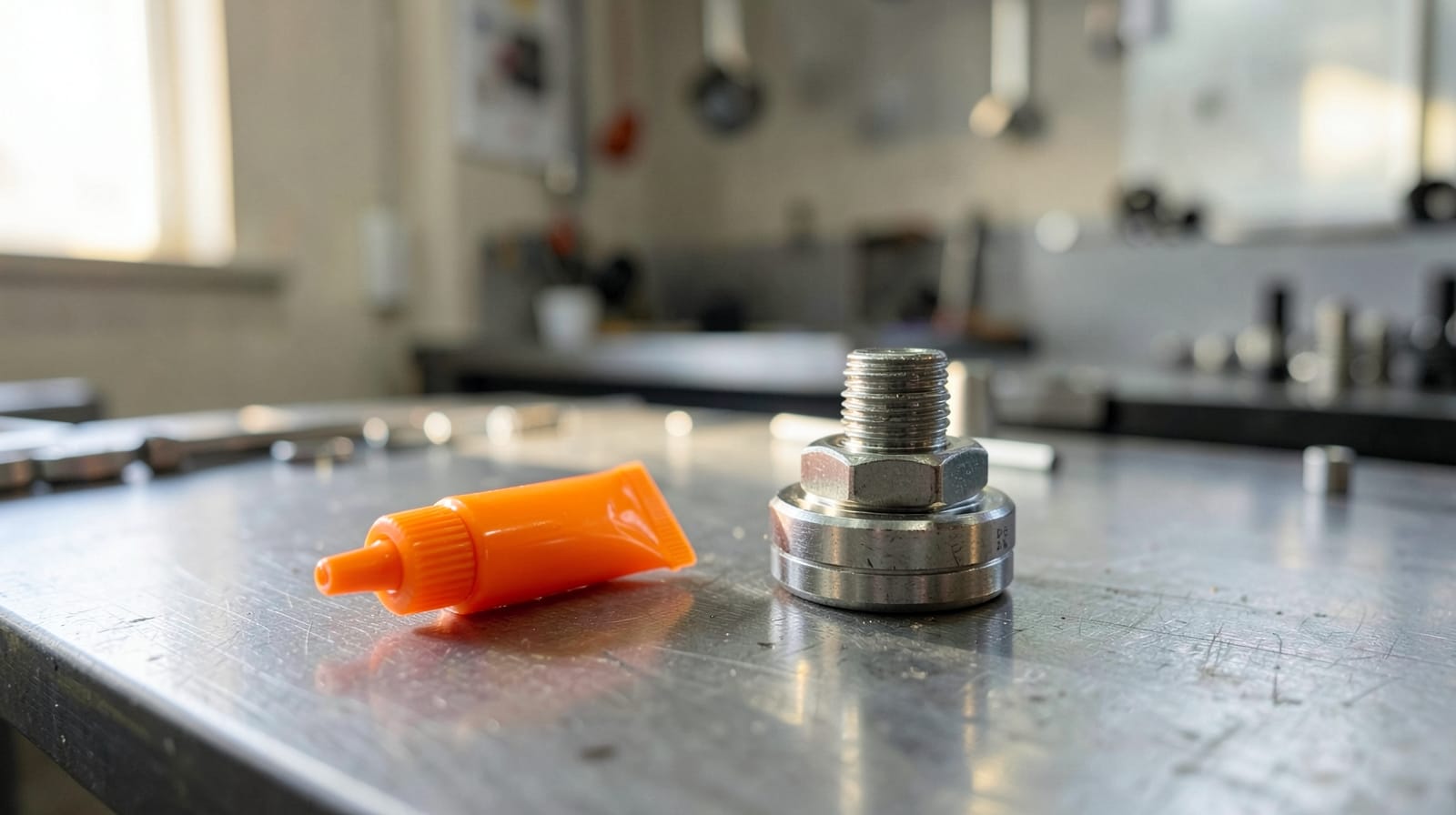 Guide
 Guide
How to choose fastening tools
This is the fastening gear that keeps a fastener from backing out and lets you hold work together while you build it: safety-wire pliers, Cleco fasteners and torque seal. The methods come straight from aircraft maintenance, and they are just as useful on cars, bikes and metal fabrication.
These are not the tools most hardware stores stock, and the bargain versions tend to fail exactly where it matters — a wire that frays, a cleco that will not hold, a lacquer that never really sets. Here is what separates the gear worth buying.
- 01
Safety-wire pliers
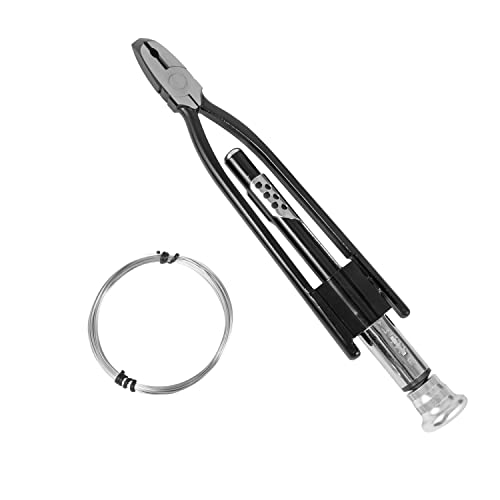
Look for a reversible twist direction, a return spring that reopens the jaws, and a clean grip that twists the wire without nicking it. Cheap pairs slip and fray the wire, which is where a safety wire fails. Our safety-wire plier picks compare the reversible, automatic-return tools worth buying, and the discontinued Milbar twisters they replace.
- 02
Match the wire gauge
Common safety wire runs .020" and .032". The pliers have to twist your chosen gauge without stalling, and the wire has to suit the fastener and the load — thicker is not always better. Our guide to safety wiring covers gauge, routing and the twist rate an inspection looks for.
- 03
Cleco fasteners and pliers
Cleco color tells you the drill size the fastener fits, and you need the matching cleco pliers to set and remove them. Buy a kit in the size you actually drill, plus a few spares. Our cleco fastener picks set out the colour code and which kits include the pliers.
- 04
Torque seal
Torque seal is the bright stripe that marks a fastener as 'this has not moved' — DYKEM, whose Cross Check is the one most people mean, calls it an indicator paste. A mark only breaks cleanly once it has cured, so check the cure time as well as the shelf life: the standard paste needs days, the fast and aviation-grade versions 24 hours. Our torque seal guide shows how to apply it, and where a threadlocker does a different job.
- 05
Buy the good one once
These are do-it-once tools. Corrosion resistance, a solid pivot and clean jaws matter far more than saving a few dollars on a pair you will replace within a year.
How every pick here is made
- 01
Specs checked at the source
Every figure is checked against the maker's own data and manual, and against the current listing.
- 02
A pick for every job
Each recommendation is tied to a real use case, not a generic 'best overall' for everyone.
- 03
Outside findings, linked
Published hands-on tests and owner reports are credited and linked. We never invent them.
- 04
No paid placements
Commissions never decide a ranking, and no brand pays to be listed.

- Aeronautics diploma
- Engineering degree
- BAMEC (DGCA)
- QC-trained
- ~2 yrs tool management
SK spent over two decades in aircraft maintenance, working hands-on with aero-engine systems and flight data recorder systems, borescope-inspecting turbine and compressor blades, and spending almost two years in a dedicated tool bay. He holds a diploma in mechanical engineering (aeronautics), an associate degree in science, an engineering degree and a Basic Aircraft Maintenance Engineer's Certificate (BAMEC) from DGCA, and has completed quality-control and aviation fuels & lubricants training. GaugeGrade applies the same inspection, torque and tool-management standards to the tools everyday mechanics, DIYers and trades actually buy.