Cleco Fasteners: Sizes, Color Code & Best Kits
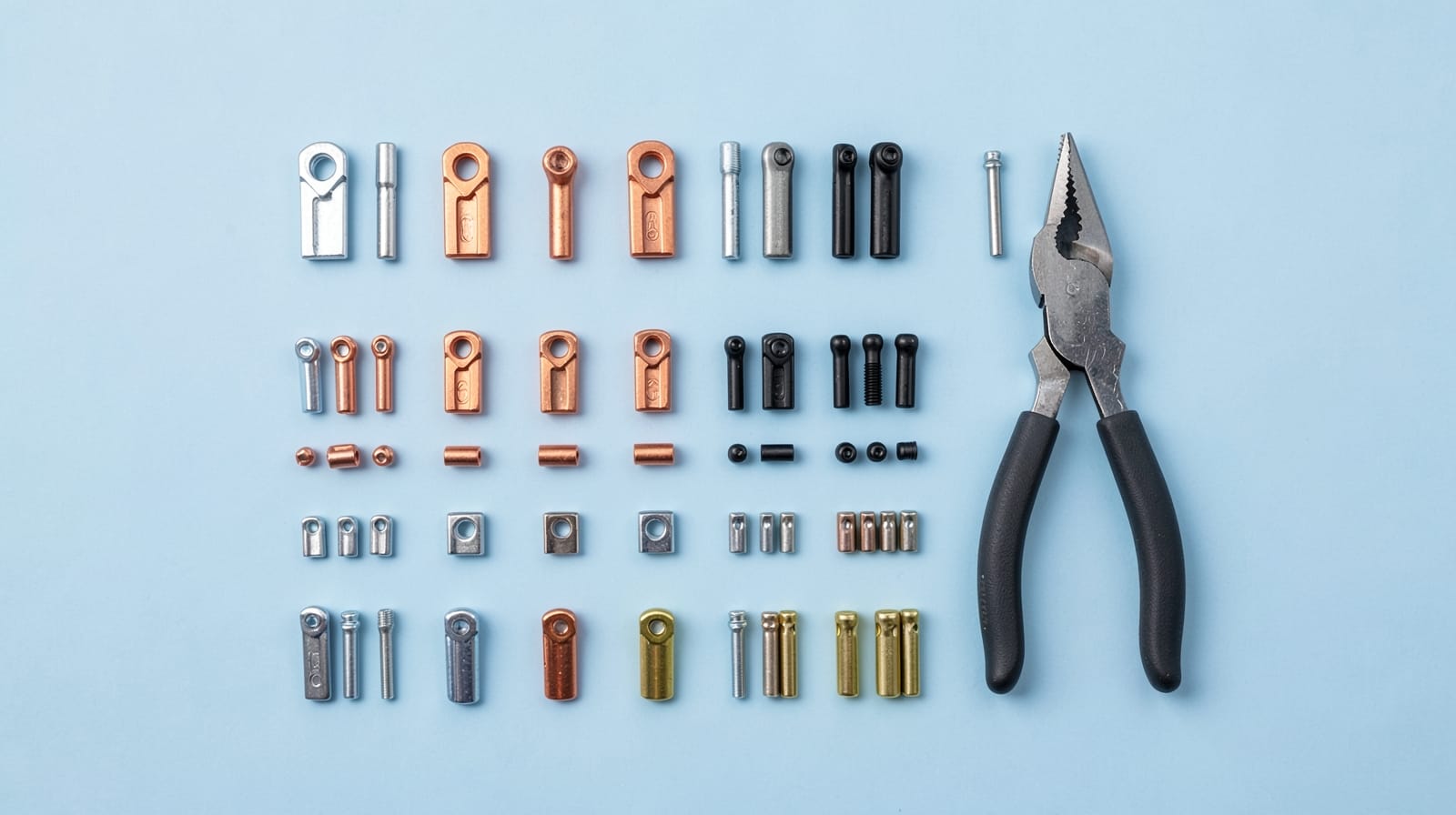
Cleco fasteners are the temporary sheet-metal fasteners that hold aligned panels tight while you rivet — the backbone of aircraft skin work and metal auto-body repair. Below is what they are, the size-and-color code you need to know, and the best kits to buy, from a former aviation professional who has set a great many of them.

- 5 picks compared
- Specs checked against maker data
- No paid placements
GaugeGrade is reader-supported. When you buy through links on our site we may earn an affiliate commission at no extra cost to you. We only recommend gear we have researched against verified manufacturer specifications.
- 1A cleco is a spring-loaded temporary fastener: cleco pliers squeeze it, it drops through aligned holes, and it clamps the sheets together until you rivet.
- 2Size = color: silver is 3/32", copper is 1/8", black is 5/32", gold (brass) is 3/16". Match the cleco to your hole/rivet size.
- 3You need cleco pliers to use them — start with a kit that includes the pliers, then buy bulk in your main size (usually 1/8").
- 1Best starter kitMRO K4S50-1 Cleco Kit: 25 × 1/8" + 25 × 3/16" + Pliers
- 2Best 1/8" bulkMRO K2S50 1/8" Cleco Fasteners (50) with Mesh Bag
- 3Best kit with side-grip clampsMRO K4S50-1SG Cleco Kit with Side-Grip Clamps
- 4Best 1/8" + pliers comboK1S50 Cleco Kit — 50 × 1/8" + Pliers + Bag
- 5Best budget kitK-Series Beginner Cleco Fastener Kit (K5S40)
What we recommend
Compare the key specs side by side, then read the full notes on each pick below.
- Fasteners
- 50 (25 each: 1/8, 3/16) + bag
- Pliers
- Yes
- Fasteners
- 50 × 1/8" + bag
- Pliers
- No
- Fasteners
- 50 (25 each: 1/8, 3/16) + 10 side-grip clamps
- Pliers
- Yes
- Fasteners
- 50 × 1/8" + bag
- Pliers
- Yes
- Fasteners
- 40 (10 each: 3/32, 1/8, 5/32, 3/16) + bag
- Pliers
- Yes

MRO K4S50-1 Cleco Kit: 25 × 1/8" + 25 × 3/16" + Pliers
Getting started: two common sizes plus the pliers you need to use them
- Fasteners
- 50 (25 each: 1/8, 3/16) + bag
- Pliers
- Yes
- Cleco pliers included, so you can work straight away
- Two common sizes, 1/8" and 3/16", 25 of each
- Clecos made in the USA, per the listing; zippered carry bag
- Colour-coded by size: copper is 1/8" (#30 drill), brass 3/16" (#10)
- No 3/32" or 5/32" sizes
- Fifty is a starter count: builders pin every other hole and use hundreds
The sensible first purchase: the two most-used sizes, 25 clecos each in 1/8 and 3/16 inch, with the pliers to set them and a zippered bag to keep them in.
Fifty clecos is a starter quantity, not a project quantity. Builders pin every other hole, and on anything the size of an aircraft skin that runs into the hundreds.
Based on the maker's specifications and manual and the published reviews linked below, not on our own test of this unit.
Setup, everyday use and what others found
Setup & use · per the maker
- Clecos are colour-coded by size, and the code is consistent across makers: silver or zinc for 3/32 inch (a #40 drill), copper for 1/8 inch (#30), black for 5/32 inch (#20) and brass or gold for 3/16 inch (#10). One catch: 1/4-inch clecos are copper as well, so check the body if you keep both.
- This kit covers 1/8 inch (#30 drill) and 3/16 inch (#10). It has no 3/32 inch, which is the size kit-aircraft builders use most.
- The K in these part numbers is the standard plier-operated spring cleco, with a 0–1/4 inch grip range. Thicker stack-ups need a different series: the heavy-duty KHD grips to 1/2 inch, and the hex-nut KHNL, which is power-tool operated rather than plier-set, grips to 1 inch.
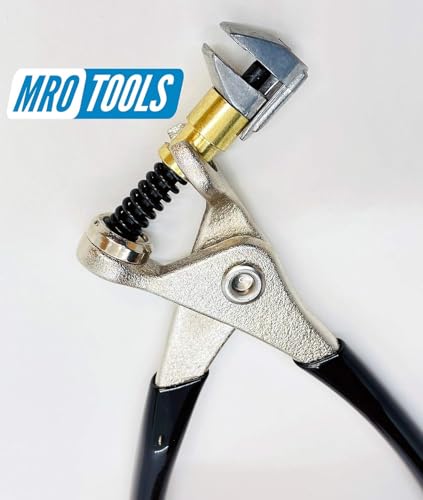
- One pair of cleco pliers works across every spring-cleco size, so you don't need a second pair when you add sizes. Hex-nut and wing-nut clecos are a different matter: those aren't plier-set. MRO's pliers are the K200CG, listed separately at under $10 at the time of writing.
- MRO rates the standard clecos at 12–25 lb of grip force. That's a maker figure; we found no independent measurement of it.
- The listing says the cleco fasteners are made in the USA. That claim covers the fasteners; nothing we found states where the pliers or the bag are made. The brand is MRO Tools Cleco Fasteners, a line of Omega Technologies of Westlake Village, California.
What others found
Builders pin every second hole as they go, and still use far more than fifty. In one 2017 Van's Air Force thread an RV-7 builder counted 561 rivet holes in the inner and outer bottom skins of one wing and reckoned 561 clecos would cover top and bottom at every other hole; another poster said he owns a thousand and ran out. The thread's own brand advice is for Wedgelock, not these.
The pliers, not the clecos, are what builders complain about. In a 2025 Van's Air Force thread one builder's pliers stopped opening fully and grew hard to work, and he eventually fixed them by drilling the pivot pin. No brand is named, and the replies suggest owning several pairs: one poster keeps three or four, another half a dozen.
We found no owner reviews or independent test of this particular kit.


MRO K2S50 1/8" Cleco Fasteners (50) with Mesh Bag
Stocking up on the workhorse 1/8" size once you own a pair of pliers
- Fasteners
- 50 × 1/8" + bag
- Pliers
- No
- 1/8" (#30 drill) is the general sheet-metal size, and the one MRO markets for auto-body repair
- Standard 0–1/4" grip; USA-made
- Copper-coded, in a mesh carry bag
- Fasteners only: no pliers
- Single size, and builders on Van's Air Force want 3/32" in far larger quantities
Fifty 1/8-inch clecos and a mesh bag, no pliers: the refill once you own a pair. 1/8 inch is the workhorse size for auto-body and general sheet metal work.
If you're building a kit aircraft, look at 3/32 inch instead: the builder quantity lists we found put 3/32 well ahead of 1/8 for wing skins.
Based on the maker's specifications and manual and the published reviews linked below, not on our own test of this unit.
Setup, everyday use and what others found
Setup & use · per the maker
- Clecos are colour-coded by size, and the code is consistent across makers: silver or zinc for 3/32 inch (a #40 drill), copper for 1/8 inch (#30), black for 5/32 inch (#20) and brass or gold for 3/16 inch (#10). One catch: 1/4-inch clecos are copper as well, so check the body if you keep both.
- These are 1/8 inch, which matches a #30 drill and a 4-size rivet, in the standard K grip range of 0–1/4 inch.
- No pliers are included. One pair works across every spring-cleco size, so this is the right buy only if you already own some.
- MRO rates the standard clecos at 12–25 lb of grip force. That's a maker figure; we found no independent measurement of it.
- Supplied in a red mesh carry bag; the part number is RB-K2S50-1/8.
- The listing says the cleco fasteners are made in the USA. That claim covers the fasteners, not the bag.
What others found
Which size you need depends on what you're building. A builder in one 2017 Van's Air Force thread recommends 300–500 of 3/32 against 50–100 of 1/8 for RV wing skins, and another poster there says a re-skin needs only 3/32.
We found no owner reviews or independent test of this particular pack.




MRO K4S50-1SG Cleco Kit with Side-Grip Clamps
A two-size working kit that also clamps edges and flanges a standard cleco cannot reach
- Fasteners
- 50 (25 each: 1/8, 3/16) + 10 side-grip clamps
- Pliers
- Yes
- Ten side-grip clamps in two reaches (1/2" and 1"), for clamping where there is no hole
- 25 each of 1/8" and 3/16" clecos, plus cleco pliers
- Clecos made in the USA, per the listing; zippered carry bag
- Only two cleco sizes: no 3/32" or 5/32"
- More than a first project needs
The same two-size kit with ten side-grip clamps added, in two reaches. A standard cleco needs a hole; a side-grip clamp holds an edge or a flange where there's no hole to use, which is what you want for bonding, sealing or clamping a joint before you drill it.
The clamps are the reason to pick this over the plain kit. The cleco count is the same fifty, and there's still no 3/32 inch.
Based on the maker's specifications and manual and the published reviews linked below, not on our own test of this unit.
Setup, everyday use and what others found
Setup & use · per the maker
- Clecos are colour-coded by size, and the code is consistent across makers: silver or zinc for 3/32 inch (a #40 drill), copper for 1/8 inch (#30), black for 5/32 inch (#20) and brass or gold for 3/16 inch (#10). One catch: 1/4-inch clecos are copper as well, so check the body if you keep both.
- 25 clecos each in 1/8 inch (#30 drill) and 3/16 inch (#10), both in the standard K grip range of 0–1/4 inch, rated by MRO at 12–25 lb of grip force.
- Ten side-grip clamps in two reaches: five KSG 3/4 × 1/2 and five KSG 3/4 × 1. A reseller's spec sheet reads those numbers as 0–3/4 inch of material thickness by a 1/2 or 1 inch jaw depth; the maker doesn't spell it out.
- Side-grip clamps clamp material where no holes are available or wanted, which makes them the tool for bonding, gluing and sealant work.
- One pair of cleco pliers works across every spring-cleco size, so you don't need a second pair when you add sizes. Hex-nut and wing-nut clecos are a different matter: those aren't plier-set. MRO's pliers are the K200CG, listed separately at under $10 at the time of writing.
- The listing says the cleco fasteners are made in the USA. That claim covers the fasteners, not the pliers or the bag.
What others found
KITPLANES describes side-grip clamps as having flat spring-loaded jaws and notes they're set with the same pliers as ordinary clecos, so adding them costs no extra tooling.
We found no owner reviews or independent test of this particular kit.


K1S50 Cleco Kit — 50 × 1/8" + Pliers + Bag
One box that has the workhorse size and the pliers together
- Fasteners
- 50 × 1/8" + bag
- Pliers
- Yes
- Fifty 1/8" clecos plus the pliers to set them
- One pair of pliers works across every spring-cleco size
- Carry bag included
- Only the 1/8" size
- Add other sizes if your holes vary
Fifty 1/8-inch clecos and the pliers in one box: the simplest complete start if you know 1/8 inch is your size, which it usually is for auto-body and general sheet metal.
One size only. If your holes vary, the four-size beginner kit teaches you which you actually drill most.
Based on the maker's specifications and manual and the published reviews linked below, not on our own test of this unit.
Setup, everyday use and what others found
Setup & use · per the maker
- Clecos are colour-coded by size, and the code is consistent across makers: silver or zinc for 3/32 inch (a #40 drill), copper for 1/8 inch (#30), black for 5/32 inch (#20) and brass or gold for 3/16 inch (#10). One catch: 1/4-inch clecos are copper as well, so check the body if you keep both.
- Fifty 1/8-inch clecos, matching a #30 drill, in the standard K grip range of 0–1/4 inch.
- One pair of cleco pliers works across every spring-cleco size, so you don't need a second pair when you add sizes. Hex-nut and wing-nut clecos are a different matter: those aren't plier-set. MRO's pliers are the K200CG, listed separately at under $10 at the time of writing.
- MRO rates the standard clecos at 12–25 lb of grip force. That's a maker figure; we found no independent measurement of it.
- Supplied with a carry bag, which MRO's own page describes as polyester, 6 by 8.5 inches. The part number is K1S50-1/8 and MRO sells the same kit direct.
- The listing says the cleco fasteners are made in the USA. That claim covers the fasteners, not the pliers or the bag.
What others found
Fifty doesn't go far. In one 2017 Van's Air Force thread a builder counted 561 rivet holes in the bottom skins of a single RV-7 wing, and another said he owns a thousand and still ran out filling every other hole plus the tanks.
We found no owner reviews or independent test of this particular kit.


K-Series Beginner Cleco Fastener Kit (K5S40)
The cheapest way into a multi-size assortment
- Fasteners
- 40 (10 each: 3/32, 1/8, 5/32, 3/16) + bag
- Pliers
- Yes
- Four sizes to learn which you drill most, including the 3/32" the other kits here omit
- Cleco pliers included
- Zippered carry bag
- Ten per size is a sampler, not a project quantity
- You will still buy bulk in whichever size you settle on
Ten each of all four common sizes, with the pliers: the cheapest way to find out which size you actually drill before committing to a bulk bag. It's the only kit here that includes 3/32 inch, the size kit-aircraft builders use most.
Ten per size is a sampler. Treat it as a way to learn the colour code and the feel of the tool, then buy the size you use in quantity.
Based on the maker's specifications and manual and the published reviews linked below, not on our own test of this unit.
Setup, everyday use and what others found
Setup & use · per the maker
- Clecos are colour-coded by size, and the code is consistent across makers: silver or zinc for 3/32 inch (a #40 drill), copper for 1/8 inch (#30), black for 5/32 inch (#20) and brass or gold for 3/16 inch (#10). One catch: 1/4-inch clecos are copper as well, so check the body if you keep both.
- Ten each of 3/32 inch (#40 drill, silver), 1/8 inch (#30, copper), 5/32 inch (#20, black) and 3/16 inch (#10, brass), all in the standard K grip range of 0–1/4 inch.
- The K200CG cleco pliers are included, and one pair works across all four sizes.
- MRO rates the standard clecos at 12–25 lb of grip force. That's a maker figure; we found no independent measurement of it.
- Supplied in a mesh carry bag. MRO also sells this kit direct.
- The listing says the cleco fasteners are made in the USA. That claim covers the fasteners, not the pliers or the bag.
What others found
Which size dominates depends on the work. A builder in one 2017 Van's Air Force thread puts 3/32 at 300–500 against 50–100 of 1/8 for RV wing skins. Starting with all four sizes is how you find out where your own work sits.
We found no owner reviews or independent test of this particular kit.
- Aeronautics diploma
- Engineering degree
- BAMEC (DGCA)
- QC-trained
- ~2 yrs tool management
Why you should trust us
SK Kutubuddin is a former aviation professional who spent over two decades maintaining and inspecting aircraft, including almost two years in a dedicated tool bay, where every tool is issued, accounted for and checked for serviceability before it goes back out. He holds a diploma in mechanical engineering (aeronautics), an engineering degree, a BAMEC and quality-control training, so he judges a cleco the way a tool bay would: does the spring still clamp, are the jaws straight, and is it the right size for the hole?
For this page we checked each kit's contents, sizes and whether cleco pliers are included against the manufacturer's information and the current listing, following our How We Test method, and flagged where a listing leaves that unclear. The color code and sizing follow the standard cleco convention. The picks are organized the way people actually buy clecos: a starter kit first, then bulk in the size they drill most.
Who this is for
Clecos are for anyone joining sheet metal with rivets or bolts who needs the parts held tight and aligned while they drill and fasten: aircraft builders and restorers, A&P students, auto-body shops fitting patch panels, and fabricators working in thin sheet. An aircraft kit uses them by the hundred; for a single patch panel, a starter kit may be all you ever need.
If the structure is an aircraft, the drill sizes, rivets and repair layout come from the applicable maintenance data or the kit maker's plans, and work on a certificated aircraft needs the sign-off of an appropriately certificated mechanic, typically an A&P. Clecos are the easy part; this page does not replace any of that.
- Kit-aircraft builders and restorers working on skins, ribs and spars
- A&P students and anyone learning sheet-metal riveting
- Auto-body and restoration shops fitting patch panels
- Fabricators holding thin sheet for drilling and riveting
How we picked
We chose products that make the standard cleco workflow easy to start and cheap to scale: an assortment and pliers first, then bulk in your working size.
- 01
Standard sizes
A cleco has to match the hole you drill, so we focused on the standard sizes, above all the workhorse 1/8" copper. Standard sizing also means fasteners bought from different kits sort by the same color code and work together on the same job.
- 02
Pliers included, or clearly not
A spring cleco is useless without cleco pliers, so we checked each listing for whether pliers come in the box. Where a listing leaves that unclear, the table shows a dash and the pick tells you to confirm before you buy.
- 03
Enough fasteners for real work
A real panel uses more clecos than most first-time buyers expect. We weighed piece count against price and included small starter assortments alongside 50-count sets, so you can scale up without rebuying what you already have.
- 04
A clear upgrade path
Most people start with an assortment, learn which size they drill most, then buy bulk in that size. The picks follow that path, from beginner kits (several with a carry bag) to 1/8" bulk and a 1/8" set with pliers, so nothing bought early is wasted.
What to know before you buy
What is a cleco fastener, and how does it work?
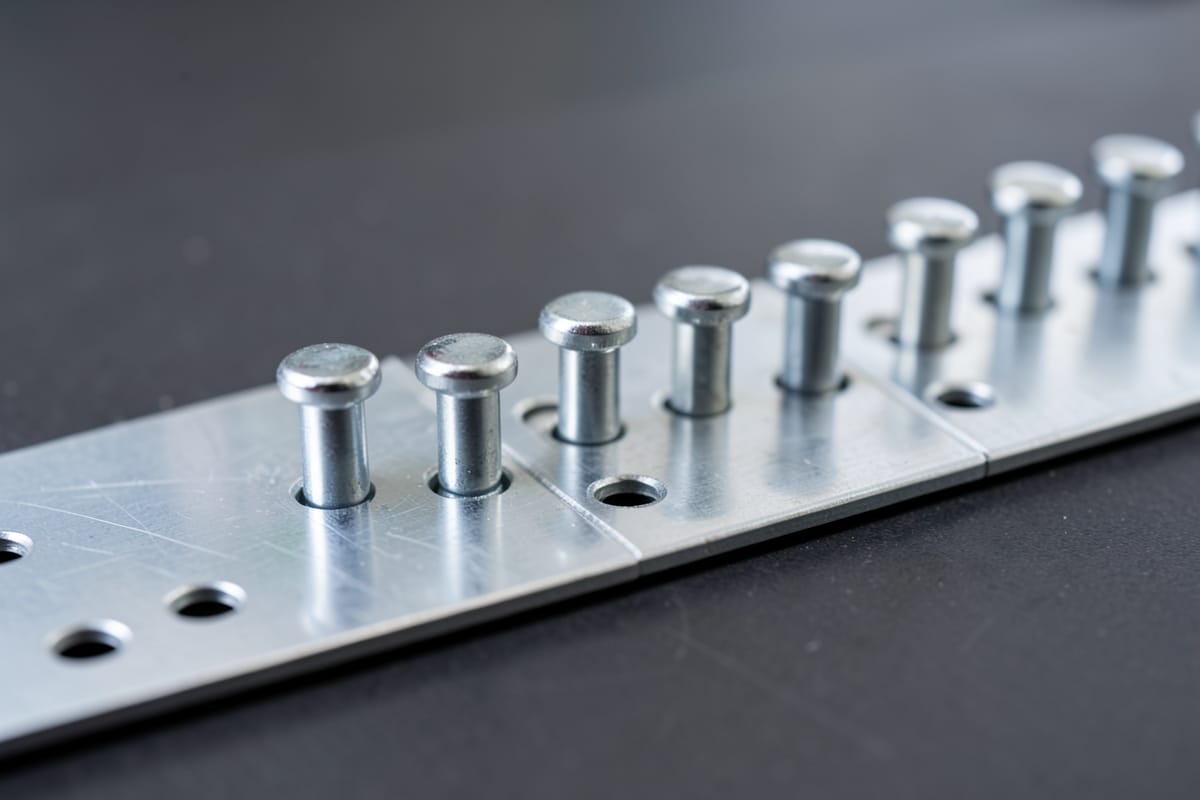
A cleco is a temporary fastener — developed by the Cleveland Pneumatic Tool Company — used to hold sheets of metal together before they are permanently riveted or bolted. It is the standard way to keep aircraft skins, brackets and panels aligned and tight while you work.
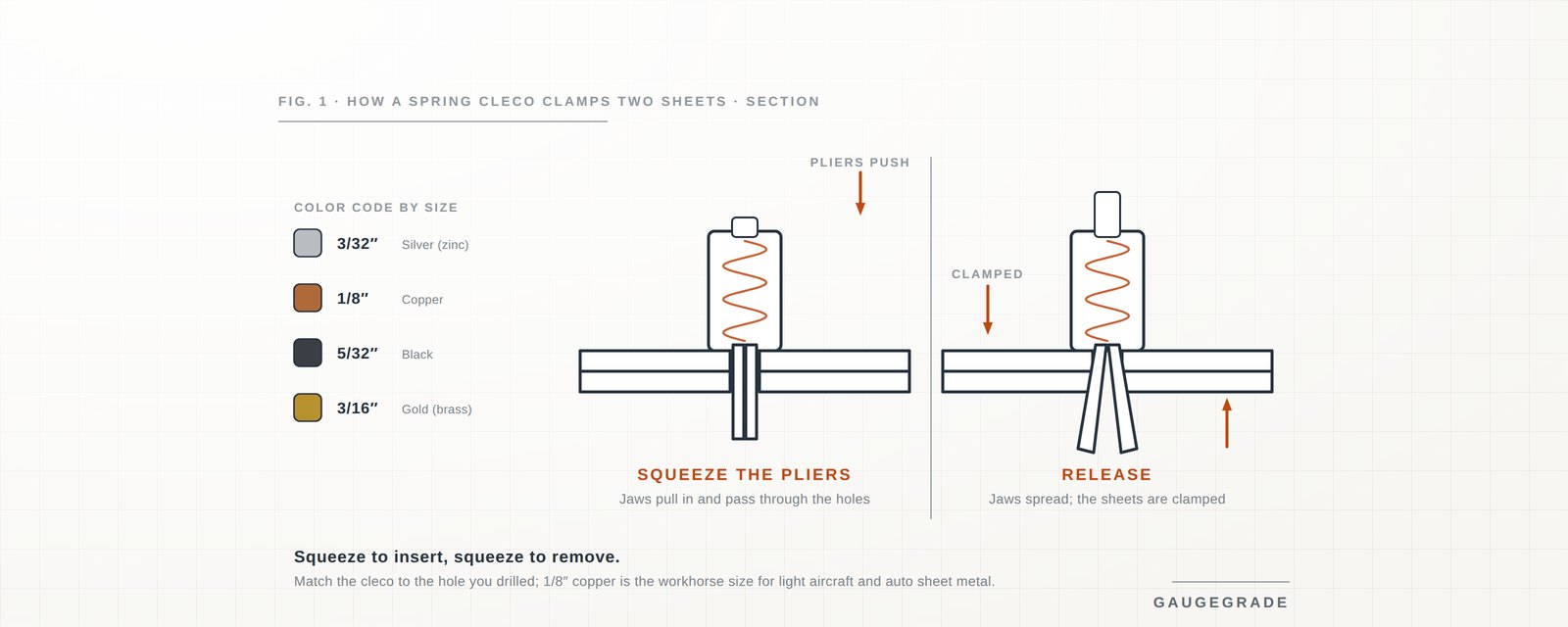
The common spring type works simply: cleco pliers compress a spring-loaded plunger, which pulls the locking jaws in so they pass through the aligned holes in your stacked sheets. Release the pliers and the spring drives the jaws back apart against a spreader, clamping the sheets between the jaws and the body. Squeeze to insert, squeeze to remove.
Sizes and the color code
Clecos are color-coded by size, and the code is worth memorizing because you sort them by eye all day:
- Silver (zinc) — 3/32" (2.4 mm)
- Copper — 1/8" (3.2 mm)
- Black — 5/32" (4.0 mm)
- Gold (brass) — 3/16" (4.8 mm)
Which size, and how many?
Match the cleco to the hole you drilled for your rivet. For most light aircraft and auto sheet-metal work the 1/8" (copper) cleco is the workhorse, which is why the single-size sets above are all 1/8".
For quantity, a good rule while tacking a panel is roughly one cleco every third or fourth hole — enough to pull the sheets flat and hold alignment without filling every hole. That adds up fast on a real panel, so most people start with an assortment plus pliers and then buy bulk in their main size.
You also need cleco pliers
The fasteners do nothing on their own — the pliers are what compress them to insert and remove. If you are buying your first set, choose a kit that includes the pliers (the K4S50-1 starter and the K1S50 combo above both do); if you are topping up fasteners you already have the pliers for, buy the bulk boxes. Side-grip clecos and cleco clamps are a useful addition for holding edges and flanges the standard type cannot reach. They sit alongside the other aviation and fastening tools on the bench rather than replacing any of them.
The sheet-metal view
On aircraft skin work the routine is second nature: drill your hole pattern, then cleco every few holes to draw the sheets tight and lock the alignment before a single rivet goes in. Work from the center outward so the panel does not oil-can or creep, keep enough clecos in to hold the line true, and pull them one at a time as you rivet. Get the alignment right at the cleco stage and the riveting is easy; rush it and every rivet fights you.
Cleco plier technique: setting and removing without damage
Clecos are simple, but careless technique marks the work. Hold the pliers so the cleco goes in square to the sheet, squeeze only as far as needed for the jaws to close up and pass through the hole, and guide them in without scraping the hole edge. Release smoothly so the spring seats the cleco and draws the sheets together, and let go only once it is holding on its own.
To remove one, squeeze and draw it straight out along the axis of the hole. Pulling at an angle or levering it out scrapes the hole edge and can scratch the surrounding skin, and on soft aluminum that is damage you then have to deal with. Drop each cleco straight into its bag or tray rather than onto the floor or into the structure.
A few habits make a long session easier:
- Keep the plier tips clean and free of burrs so they do not mark the cleco or the sheet.
- Never drag the pliers or a cleco across a finished surface.
- Pick pliers that fit your hand; on a big job the squeeze count adds up fast.
Storing and sorting clecos
Sort clecos by size into labeled bins, a divided tray or a board drilled to hold them upright. You will grab the right color without thinking, and you can see at a glance when a size is running low before it runs out halfway through a panel.
Keep them clean and dry. Drilling chips ride along on the jaws and can scratch the next panel, so wipe or brush them off before storage, and keep clecos out of the bottom of a toolbox where heavier tools can bend the jaws.
Check them as you put them away. Any cleco that no longer pulls the sheets tight, has bent or spread jaws, or has a spring that feels noticeably weaker than its neighbors should be retired. A cleco that does not clamp lets the sheets shift, which defeats the alignment you set it for.
On aircraft work, count clecos out and count them back in. A cleco left inside a wing or fuselage is foreign object debris, and a quick count at the end of the day is far easier than finding one later.
Frequently asked questions
What size cleco fastener do I need?
Match it to the hole you drilled for your rivet. For most light-aircraft and auto sheet-metal work the 1/8" (copper) cleco is the standard size. Use the color code to keep sizes straight.
What is the cleco color code?
Silver (zinc) is 3/32", copper is 1/8", black is 5/32", and gold or brass is 3/16". The color tells you the size at a glance.
Do cleco fasteners need special pliers?
Yes. Cleco pliers compress the fastener to insert it and to remove it — the clecos will not work without them. Some kits include the pliers; check before buying.
How many clecos do I need for a project?
A common rule while tacking a panel is about one cleco every third or fourth hole to hold alignment. A real panel therefore wants dozens, so most people start with a kit and then buy bulk in their main size.
Are inexpensive clecos good enough?
For most hobby and repair work, yes. If you set clecos day in and day out professionally, genuine or aviation-grade fasteners hold up better to repeated cycles.
Do clecos come in different lengths?
Yes. Besides diameter, clecos have a grip range: the total material thickness they can clamp. Standard clecos suit typical thin sheet stacks, and thicker stacks need longer-grip clecos. Check the grip range on the listing against the combined thickness of the parts you are joining.
Is there a cleco that does not need pliers?
Yes. Wing-nut clecos are tightened and released by hand, which suits thicker stacks and spots where you want more clamping force, and cleco clamps hold edges and flanges. Standard spring clecos, the type in the kits above, still need cleco pliers.
What is the difference between a cleco and a rivet?
A cleco is temporary and reusable: it holds the sheets aligned and tight while you drill and fasten, then comes out. A rivet is the permanent fastener that takes its place. You cleco first and rivet second, pulling each cleco as the rivets around it go in.
Related reading
- Aeronautics diploma
- Engineering degree
- BAMEC (DGCA)
- QC-trained
- ~2 yrs tool management
SK spent over two decades in aircraft maintenance, working hands-on with aero-engine systems and flight data recorder systems, borescope-inspecting turbine and compressor blades, and spending almost two years in a dedicated tool bay. He holds a diploma in mechanical engineering (aeronautics), an associate degree in science, an engineering degree and a Basic Aircraft Maintenance Engineer's Certificate (BAMEC) from DGCA, and has completed quality-control and aviation fuels & lubricants training. GaugeGrade applies the same inspection, torque and tool-management standards to the tools everyday mechanics, DIYers and trades actually buy.