Borescopes & Inspection Cameras
Engine, automotive and industrial inspection scopes — chosen to the standard of a turbine borescope inspection.
- 12 reviews
- 2 guides
- 59 picks compared
- No paid placements
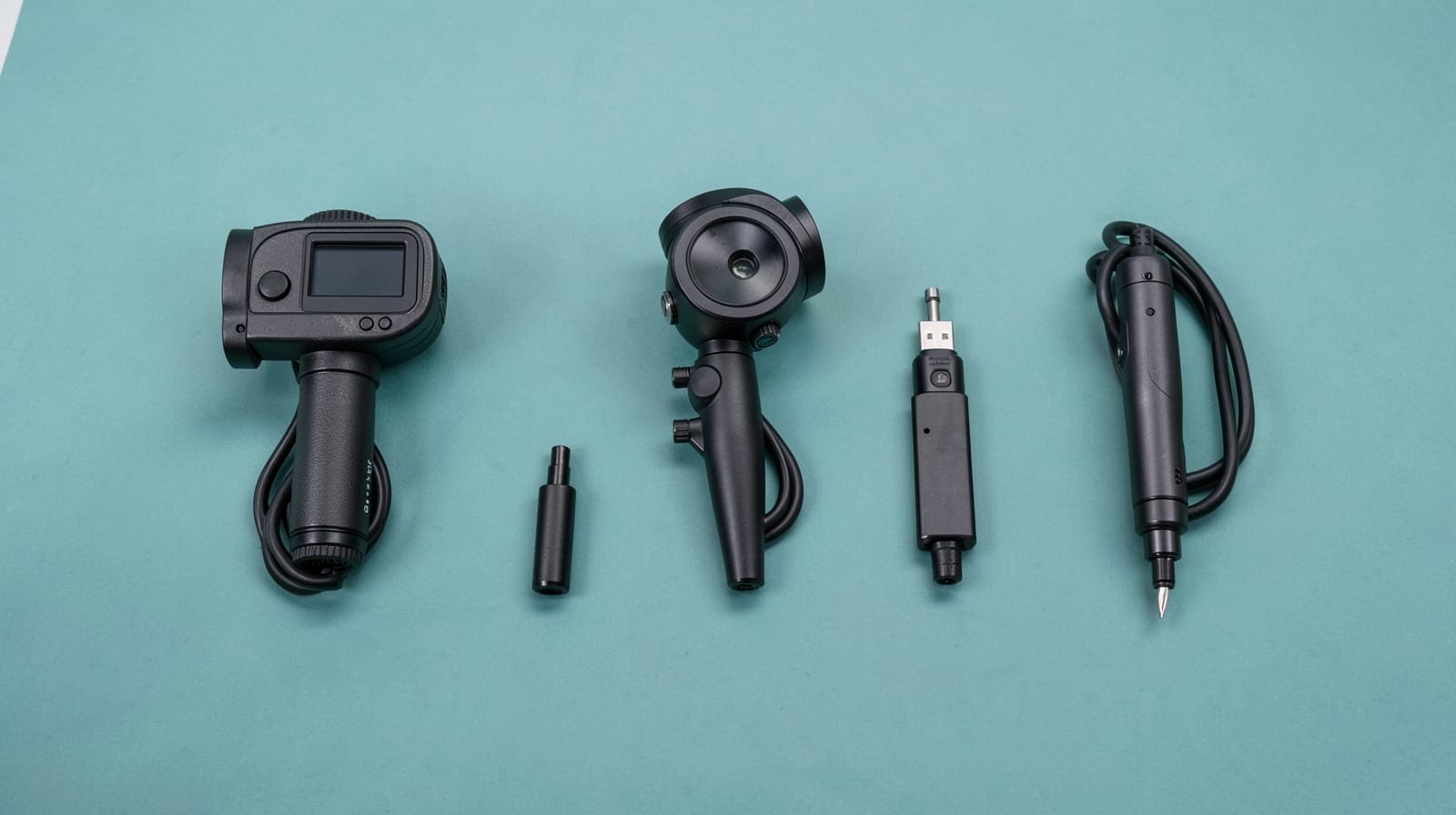
Our top pick for every job
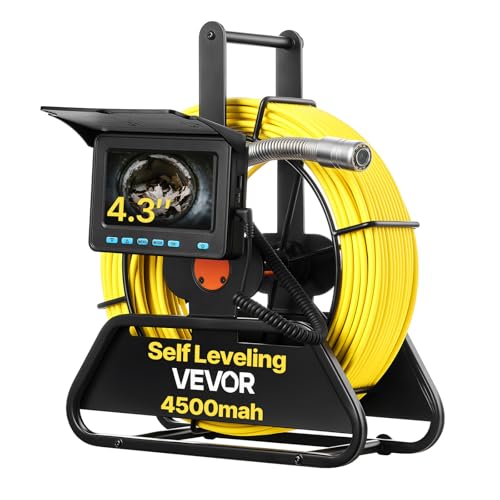
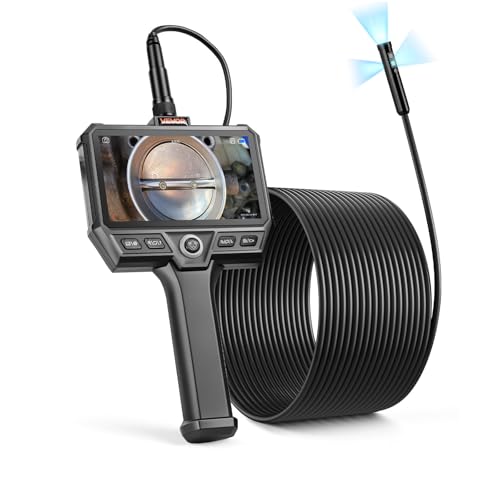
Each review compares picks for one kind of work. The card shows its top pick; open it for the full comparison.


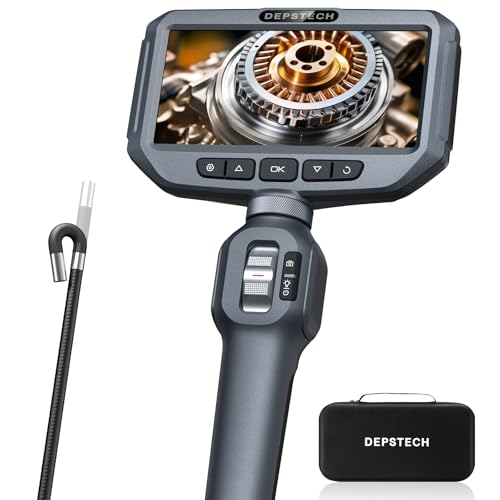


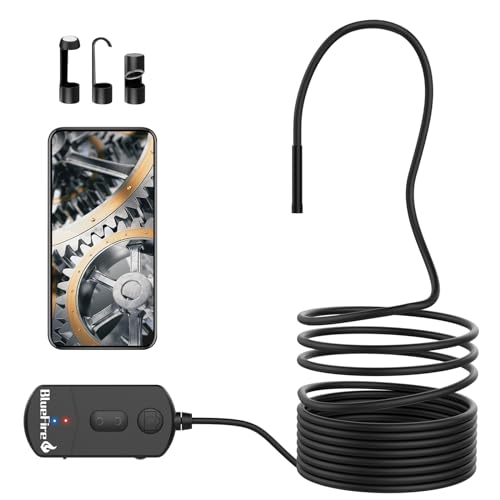

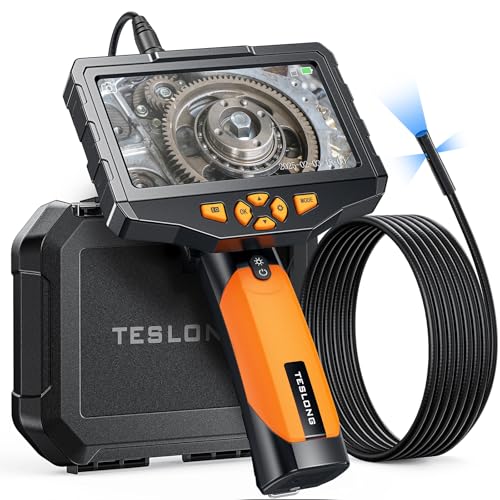






Learn the method
Step-by-step guides and tools that explain the technique behind the picks.
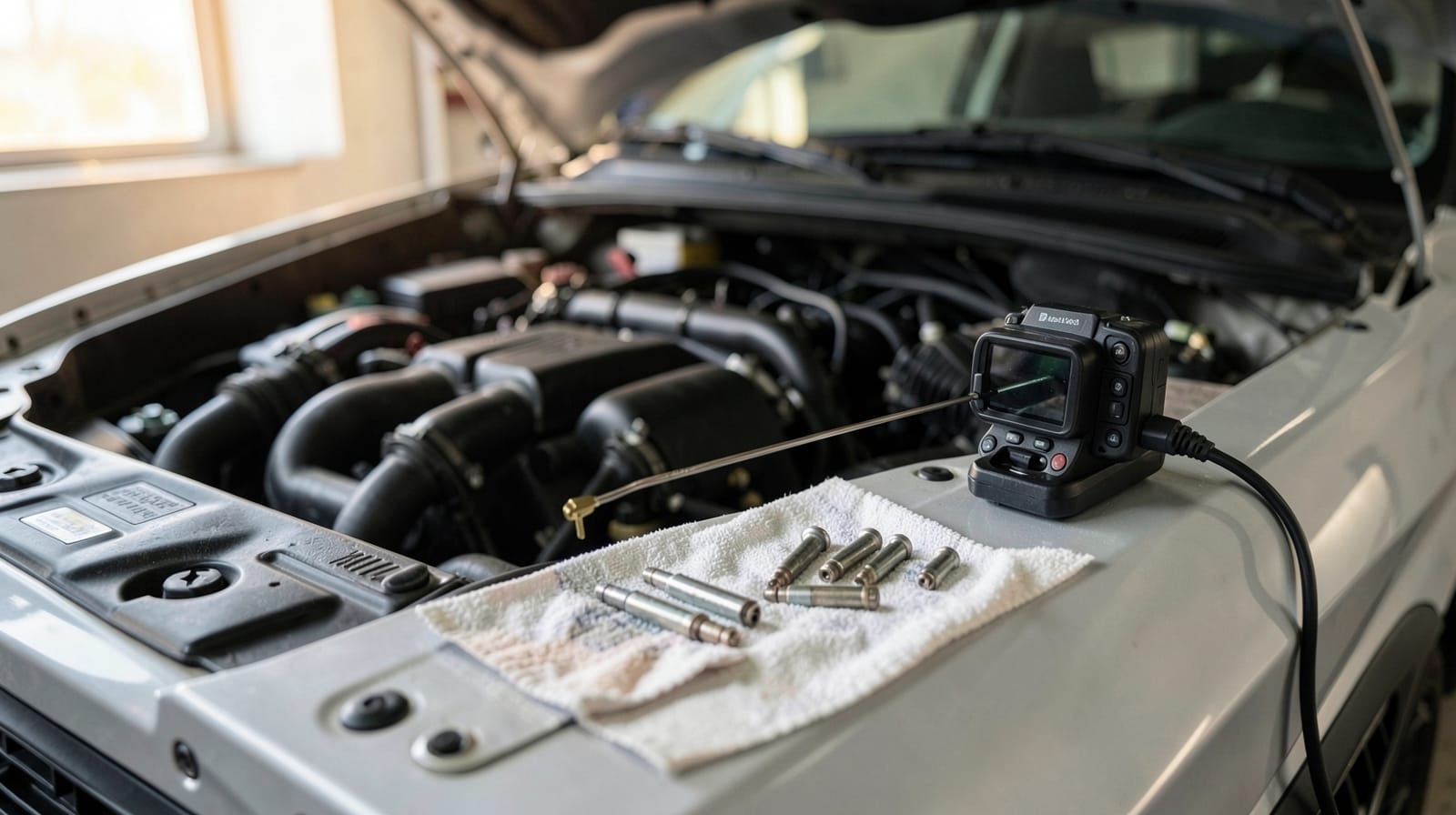 Guide
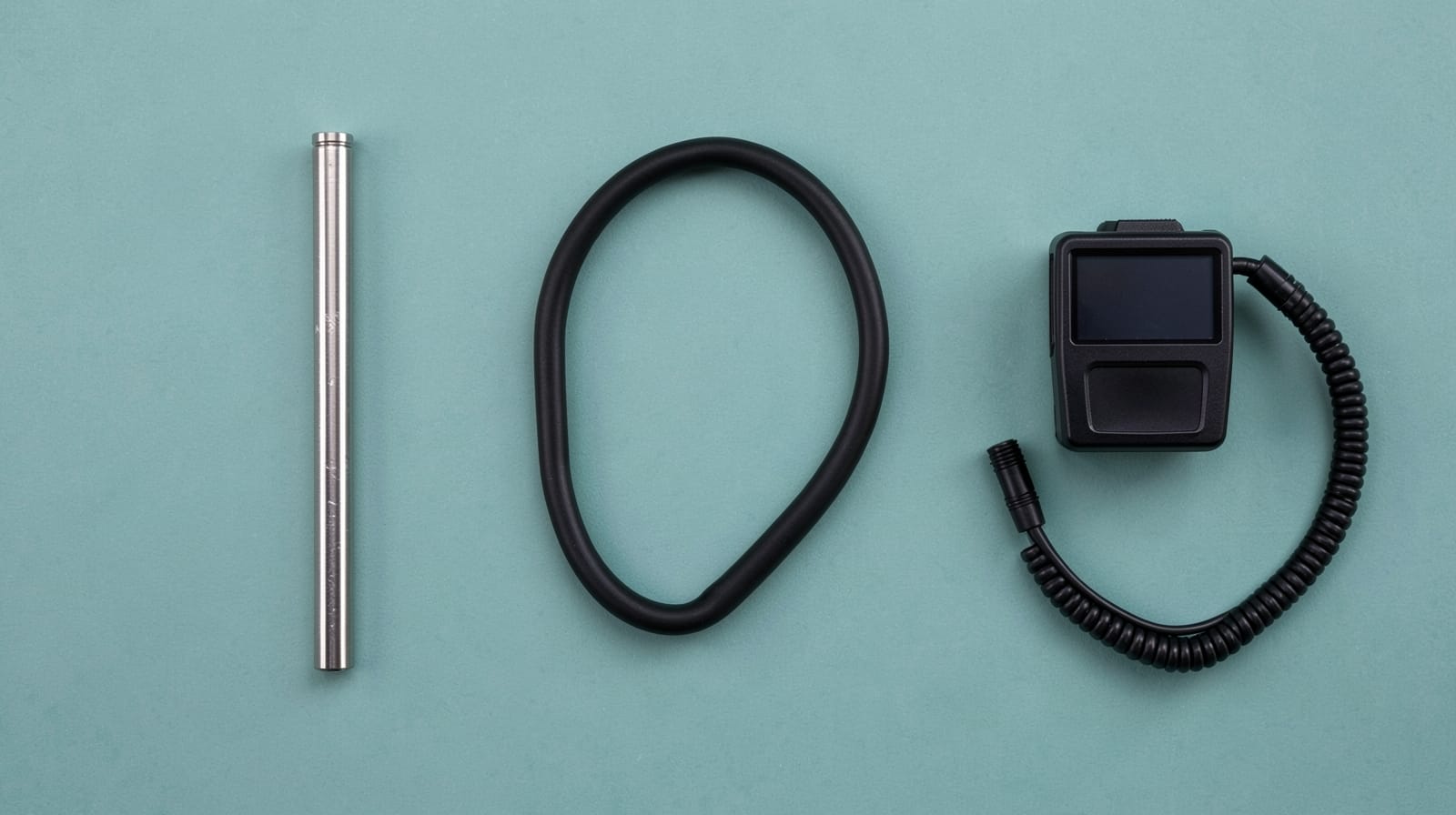 Guide
How to choose a borescope
A borescope — or inspection camera — earns its keep by putting a clear picture into a space you cannot see or reach: inside a cylinder, behind a dash, down a drain, into a wall cavity. The reviews below cover scopes for engine, automotive and industrial inspection, picked for the job they have to do, with every spec checked against the maker's own data.
Most of the frustration people have with a cheap scope comes down to three things: a probe that will not fit the access hole, a fixed camera that cannot look at the wall you need to see, and lighting you cannot control in a dark cavity. Get those three right and the rest is convenience.
- 01
Probe diameter decides access
Measure the opening first. A 3.9 mm probe passes almost any spark-plug hole; 5.5 mm passes most car plug holes and is a common all-rounder; 8 mm-class probes are a tight fit there and suit larger ports. The thinnest scope that still gives a usable image is usually the right one.
- 02
Articulation vs a fixed tip
A fixed camera only shows what is straight ahead. Two-way or four-way articulation lets you steer the tip to look at bore walls, weld seams and the back of a part — the difference between seeing a problem and missing it. It costs more and is worth it for real inspection.
- 03
Image quality is lighting, then resolution
In a dark cavity, adjustable LED brightness and a side or dual lens matter more than raw megapixels. Look for 1080p with dimmable light rather than a high number alone.
- 04
Standalone screen or your phone
A built-in screen is self-contained and works anywhere; a phone or tablet scope gives a bigger picture but needs an app and a compatible device. Pick for where you will actually use it.
- 05
Probe length and stiffness
A semi-rigid probe holds a gentle shape so you can push it through a bend and feed it forward. Too soft and it will not advance; too stiff and it will not turn a corner.
How every pick here is made
- 01
Specs checked at the source
Every figure is checked against the maker's own data and manual, and against the current listing.
- 02
A pick for every job
Each recommendation is tied to a real use case, not a generic 'best overall' for everyone.
- 03
Outside findings, linked
Published hands-on tests and owner reports are credited and linked. We never invent them.
- 04
No paid placements
Commissions never decide a ranking, and no brand pays to be listed.

- Aeronautics diploma
- Engineering degree
- BAMEC (DGCA)
- QC-trained
- ~2 yrs tool management
SK spent over two decades in aircraft maintenance, working hands-on with aero-engine systems and flight data recorder systems, borescope-inspecting turbine and compressor blades, and spending almost two years in a dedicated tool bay. He holds a diploma in mechanical engineering (aeronautics), an associate degree in science, an engineering degree and a Basic Aircraft Maintenance Engineer's Certificate (BAMEC) from DGCA, and has completed quality-control and aviation fuels & lubricants training. GaugeGrade applies the same inspection, torque and tool-management standards to the tools everyday mechanics, DIYers and trades actually buy.